What a Workflow Engine Is Actually For
A workflow engine adds real weight to a system: a new runtime, a new deployment concern, a modelling notation the team has to learn, and a second place where behaviour lives. Plenty of projects adopt one because it appeared on an architecture diagram, then spend a year regretting it.
Plenty of others avoid it and end up hand-rolling a state machine across six database columns, a scheduled job and a chain of if-statements nobody can follow. Both outcomes are common. The distinguishing question is narrower than most teams expect.
The question is who needs to read the process
If the only people who will ever need to understand the sequence of steps are engineers, a workflow engine is usually overhead. Code expresses sequencing perfectly well, and engineers read code faster than they read diagrams.
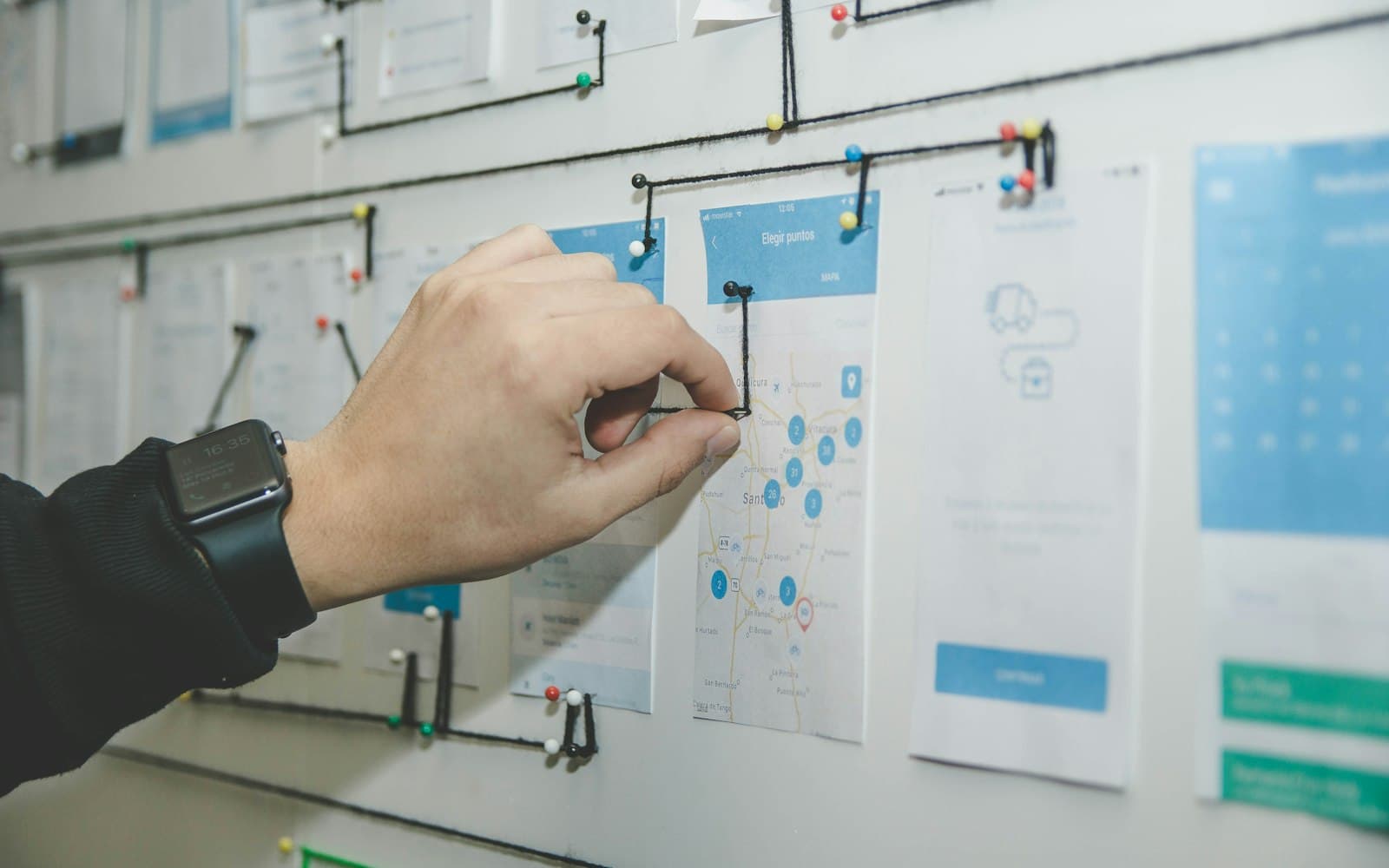
The engine earns its place when non-engineers must be able to see and argue about the process. A compliance officer confirming that a guarantee application cannot skip credit review. An operations lead who needs to know why a claim has sat unassigned for nine days. A regulator asking for evidence that the approval sequence is what the policy document says it is.
The two things you cannot easily hand-roll
Long-running state is the first. A process that spans weeks, survives deployments, waits on a human decision and resumes cleanly afterwards is genuinely hard to build well. Engines do this as their core competence, and a bespoke version is usually a worse version of it built under time pressure.
An audit trail that is a by-product rather than a feature is the second. When the engine records every transition because that is how it works, you cannot forget to log a step. Hand-rolled audit logging is complete on the day it is written and incomplete within a quarter.
Where teams get it wrong
- Modelling everything. The engine is for processes with human decisions and long waits, not for a three-step function that runs in forty milliseconds.
- Putting business rules inside the diagram. Sequence belongs in the model; calculations belong in code you can test properly.
- Treating the diagram as documentation. It is executable, which means an out-of-date diagram is an out-of-date system, not just stale documentation.
- Believing non-technical staff will maintain it. They will read it, comment on it and catch errors in it — which is most of the value — but engineers will still do the editing.
A reasonable default
Reach for an engine when a process crosses departments, involves human approval, runs for days or weeks, and has to be auditable. Write ordinary code for everything else. Most systems have one or two processes that meet that bar and a hundred that do not, and the mistake in either direction is modelling all of them the same way.